BLOG

Categories: car accessories

Choosing the best type of car speaker depends on your preferences, budget, and installation capabilities. With so many options available, understanding the differences between coaxial and component speakers is essential. This blog will help you decide which type is best for your needs.

What Are Coaxial Car Speakers?

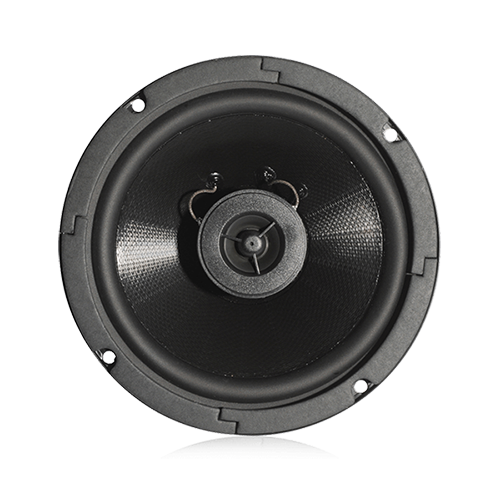
Coaxial car speakers, also known as full-range speakers, are the most common type found in vehicles. They combine multiple speaker elements into one unit. Typically, a coaxial speaker will have a woofer for low-frequency sounds and a tweeter for high-frequency sounds. Some coaxial speakers also include mid-range drivers for a broader range of sound. Their main advantage is their simplicity and ease of installation. You don’t need extra components or crossovers, making them an excellent choice for straightforward upgrades.

Advantages of Coaxial Car Speakers

1.       Ease of Installation

Coaxial speakers are plug-and-play. You can replace your factory speakers without needing special tools or modifications.

2.       Cost-Effective

They are generally more affordable than component speakers. This makes them ideal for budget-conscious buyers.

3.       Space-Saving

Coaxial speakers occupy less space, as all elements are housed in a single unit. This is particularly beneficial in smaller vehicles.

Disadvantages of Coaxial Car Speakers

1.       Sound Quality

While they offer good sound quality, coaxial speakers need to match the precision and clarity of component speakers.

2.       Limited Customization

You can’t fine-tune the sound as much as you can with component speakers, and the built-in crossover limits flexibility.

What Are Component Car Speakers?

Component car speakers separate the speaker elements. This typically includes:

·       Woofer for low frequencies

·       Tweeter for high frequencies

·       External Crossover to direct the correct frequencies to each driver

These separate components allow for more precise sound reproduction. You can place the tweeter in a different location from the woofer, optimizing the soundstage and creating a more immersive listening experience.

Advantages of Component Car Speakers

1.       Superior Sound Quality

Component speakers deliver better sound clarity and detail. The separate drivers and external crossovers ensure optimal performance.

2.       Customization

You can adjust and position the tweeters and woofers to achieve the best soundstage and imaging.

3.       Durability

High-quality materials are often used in component speakers, increasing durability and longevity.

Disadvantages of Component Car Speakers

1.       Complex Installation

Installing component speakers is more involved. You may need professional help to ensure optimal placement and wiring.

2.       Higher Cost

The superior sound quality comes at a higher price. Component speakers are generally more expensive than coaxial ones.

3.       Space Requirements

Component systems require more space for the separate drivers and crossover units. This can be challenging in compact vehicles.

Coaxial vs. Component: Making the Choice

Choosing between coaxial and component car speakers depends on your priorities. Here’s a breakdown to help you decide:

Budget and Installation

·       Coaxial Car Speakers: Coaxial speakers are the best option if you’re looking for a budget-friendly, easy-to-install option. They provide good sound quality without extra components or complicated setups.

·       Component Car Speakers: If you have a higher budget and are willing to invest in professional installation, component speakers will deliver superior sound quality and customization options.

Sound Quality

·       Coaxial Car Speakers: These are perfect for everyday listening and casual music enthusiasts. They offer a balanced sound that’s sufficient for most users.

·       Component Car Speakers: Audiophiles and those prioritizing sound quality should opt for component speakers. The separate drivers and external crossovers provide unmatched clarity and precision.

Space and Vehicle Types

·       Coaxial Car Speakers: Ideal for smaller vehicles or those with limited space. The all-in-one design ensures a straightforward fit.

·       Component Car Speakers: Best suited for larger vehicles with more installation space. The separate components allow for flexible placement, enhancing the overall sound experience.

To Sum Up

Regarding car speakers, choosing between coaxial and component systems depends on your needs and preferences. Be it coaxial or component systems, go for products featuring the latest audio technology made with high-quality materials to withstand the rigors of daily use. Also, ensure easy installation. Drive safe and enjoy the journey with the best audio experience.
1497

Categories: car accessories

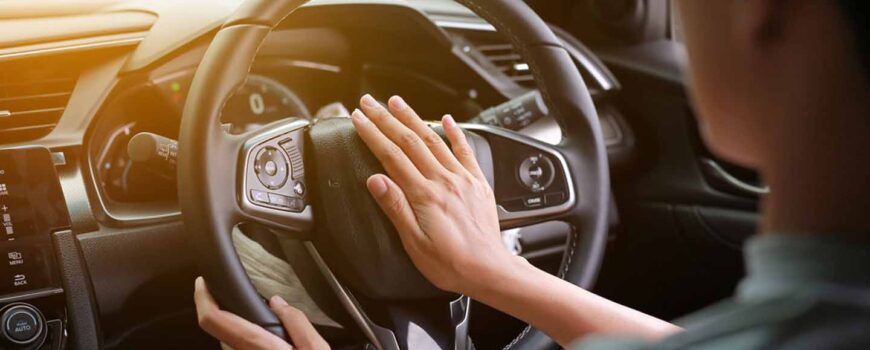
The car horn is integral to driving in a country like India. It’s a language of its own, used extensively in various situations. However, this frequent use sometimes leads to excessive noise and misunderstandings. Understanding the proper use of car horns can help create a more pleasant driving experience for everyone. Car horn etiquette is more than just pressing a button; it’s about knowing when and how to use it politely. You need to ensure you are a responsible driver, and therefore, you must understand the essentials of car horn usage.

What is the Real Purpose of Your Car Horn

Your car horn is a crucial tool for communication on the road. It’s designed to alert other drivers, pedestrians, and cyclists of your presence or intentions. However, it’s essential to use it appropriately to avoid confusion or annoyance. Misusing your car horn can lead to unnecessary stress and even road rage.

 When To Use Your Car Horn

1.       Alerting Other Drivers of Danger

Use your car horn to alert other drivers of potential danger. For instance, a quick honk can prevent an accident if a car is veering into your lane.

2.       Signaling Your Presence at Intersections

If you’re approaching an intersection and notice a car that might not see you, a gentle tap on the horn can alert the driver to your presence.

3.       Warning Pedestrians

Use your car horn to warn pedestrians who might be stepping into the street without looking. This helps ensure their safety and prevents accidents.

How To Use Your Car Horn Politely

1.       Short, Light Honks

A short, light honk is usually sufficient to get someone’s attention. Avoid long, blaring honks that can startle or annoy others. A series of short honks is more effective and polite than a long blast. It communicates your message without causing excessive noise.

2.       Avoid Using the Horn in Traffic Jams

Using your car horn in traffic jams does not help and only adds to the noise pollution. Instead, be patient and wait for the traffic to clear.

3.       Be Considerate of Time and Place

Avoid using your horn in residential areas late at night or early in the morning. Be mindful of places where excessive noise can be a disturbance, such as near hospitals or schools.

4.       Using Light and Indicators

Combine the use of your car horn with headlights and indicators. Flashing your headlights can reinforce your horn’s signal, especially at night or in low-visibility conditions.

5.       Respecting Silent Zones

Be mindful of silent zones such as hospital areas, schools, and residential neighborhoods. These areas often have signs requesting minimal horn use to reduce noise pollution.

Car Horn Etiquette in Different Situations

1.       At Traffic Lights

If the light turns green and the car in front of you doesn’t move, gently tap the horn after a reasonable pause. This is a polite way to alert the driver without being aggressive.

2.       Merging Lanes

A quick honk can signal your presence to the other driver when merging lanes, ensuring a smooth and safe transition.

3.       Blind Spots

Use your car horn to alert drivers in your blind spot when changing lanes. This helps prevent collisions and keeps everyone safe.

Misuses of The Car Horn

1.     Expressing Frustration

Never use your car horn to express anger or frustration. It doesn’t solve the problem and only escalates tension on the road.

2. Greeting Friends

Avoid using your car horn to greet friends or acquaintances. Using other means, like waving or calling them later, is best.

3.   Encouraging Speed

Refrain from honking at drivers to make them speed up. Everyone has their own pace, and pressuring them can lead to dangerous situations.

The Impact of Overusing Car Horns

1.       Noise Pollution

Excessive honking contributes significantly to noise pollution in cities. This not only affects the quality of life but also leads to health issues like stress and hearing problems.

2.       Reduced Effectiveness

When car horns are used too frequently, they lose their effectiveness. Drivers and pedestrians may start to ignore them, leading to dangerous situations.

3.       Driver Stress

Constant honking can increase stress levels for the honker and those around them. It creates an aggressive driving environment, leading to road rage and accidents.

To Sum Up

Using your car horn politely is essential for creating a safer and more pleasant driving environment. In India, where car horns are used excessively, following proper car horn etiquette can significantly reduce noise pollution and improve road safety.

There are ways to encourage polite and considerate use of car horns through public awareness campaigns and driver training programs. By incorporating advanced car horn solutions, drivers can ensure effective communication on the road while maintaining a courteous and respectful driving style. Drive safely and horn responsibly!

701

Categories: car accessories

Traveling with young children requires careful planning. There is a lot to prepare, and proper car accessories may help assure safety, comfort, and entertainment.  These are some additional tips and accessories to make your journeys smooth and enjoyable:

Safety First: Must-Have Car Accessories

1.       Car Seats and Booster Seats

Car seats are the first line of defense in ensuring your child’s safety. Choose one that fits your child’s age, weight, and height. Car accessories like convertible car seats can be adjusted as your child grows, providing extended use.

2.       Backseat Organizer

It is crucial to keep the backseat clutter-free. A backseat organizer helps store toys, books, snacks, and other essentials, making them easily accessible. This car accessory keeps the car tidy and entertains your child with organized activities.

3.       Window Shades

Protecting your child from the sun’s harsh rays is essential. Car accessories like window shades prevent sunburn and keep the car cooler. Choose shades that are easy to install and provide adequate coverage without obstructing your view.

4.       Travel Tray

A travel tray provides a flat surface for your child to play, eat, or draw. These car accessories are handy during long trips. Look for one with sturdy sides to prevent items from falling off.

5.       Rear-Seat Mirror

A rear-seat mirror allows you to keep an eye on your child without turning around. It attaches to the backseat headrest and provides a clear view of your baby, ensuring their safety and your peace of mind.

Entertainment:  Car Accessories for Keeping Kids Engaged

1.       Tablet or DVD Player Mount

Keeping children entertained is critical to a smooth ride. A tablet or DVD player mount secures the device to the back of the front seat, allowing kids to watch their favourite shows hands-free. This setup reduces the chances of dropping or damaging the device.

2.       Portable Game Console

Portable game consoles are perfect for keeping older children entertained. Make sure to have a car charger to keep the console powered throughout the journey.

3.       Car Audio System

An advanced car audio system can significantly impact your travel experience. Circuit-i offers car multimedia systems that provide entertainment and informative features, ensuring your kids are engaged throughout the trip.

Comfort: Car Accessories for a Peaceful Drive

1.       Travel Pillows and Blankets

Keeping your child comfortable is essential for a pleasant trip. Travel pillows support their necks during naps, and blankets keep them cozy. Look for hypoallergenic materials to avoid allergies.

2.       Seat Belt Pillow

Seat belt pillows provide extra cushioning for your child’s head and neck. These are especially useful during long drives, ensuring your child remains comfortable and can rest easily.

3.       Kick Mats

Kick mats protect the back of your seats from muddy shoes and accidental kicks. They’re easy to clean and help maintain the car’s interior. Some models even come with pockets for extra storage.

Advanced Car Accessories for Enhanced Driving Experiences

1.        360-Degree Car Cameras

Safety is paramount when driving with children. Installing 360-degree car cameras enhances your vehicle’s safety by providing a comprehensive view of your surroundings. This technology aids parking and maneuvering in tight spaces, reducing the risk of accidents.

2.       GPS Navigation System

A reliable GPS navigation system ensures you stay on the right track and avoid getting lost. Go for brands that offer state-of-the-art navigation systems with real-time traffic updates, making your journeys smoother and more efficient.

3.       Car Air Purifier

Keeping the air inside your car clean is vital, especially for children with allergies or asthma. A car air purifier removes pollutants and allergens, ensuring a healthier environment for your family.

Staying Organised on the Go

4.       Trunk Organizer

A trunk organizer helps keep your car’s cargo area neat. It provides compartments for groceries, sports equipment, and emergency supplies. This car accessory prevents items from rolling around and causing distractions.

5.       Portable Cooler

A portable cooler keeps snacks and drinks fresh and cool. It’s ideal for long trips, picnics, and family outings. For added convenience, look for models that can be powered by your car’s cigarette lighter.

6.       Emergency Roadside Kit

An emergency roadside kit is a must-have for any family car. It includes essentials like a tire repair kit, jumper cables, a flashlight, and reflective triangles. Being prepared can make all the difference in a roadside emergency.

7.       Car Trash Can

A car trash can helps keep the vehicle clean and organized. Choose one that is leak-proof and easy to empty. This car accessory is essential for managing waste on the go.

8.       First-Aid Kit

A well-stocked first aid kit is crucial for handling minor injuries and emergencies. Ensure it contains band-aids, antiseptic wipes, pain relievers, and your child’s medications.

To Sum Up

Investing in the right car accessories ensures your family a safer, more enjoyable experience. Equip your vehicle with these essentials, and you’ll be ready for any adventure with your little ones.

355

Categories: Uncategorised

Your car’s audio system needs a refresh. Again, what about the hassle of traveling to the shop and installing a new system? The good news is, you can do it yourself. Upgrading your automobile radio is easier than you would believe! Follow this step-by-step guide to install a new car stereo and make your commute more enjoyable.

What You’ll Need for Installing a Car Stereo

Before starting the process, ensure you have all the necessary tools and equipment. Here’s a list of what you’ll need:

  • New Car Stereo: Choose a model that fits your vehicle’s specifications.
  • Screwdrivers: Both flathead and Phillips head.
  • Wire Strippers and Crimpers: For connecting wires.
  • Electrical Tape: For securing connections.
  • Mounting Kit: Includes brackets and trim for your new stereo.
  • Wiring Harness: Facilitates connecting your new stereo and car’s electrical system.

Preparing Your Car for the New Car Stereo

Before you start installing your new car stereo, preparation is critical.

1.     Disconnect the Battery: Safety first! Disconnecting the negative terminal prevents any electrical shorts during installation.

2.     Remove the Old Car Stereo: Take Out Trim Panels. Use a trim tool or flathead screwdriver to pry off the panels around your current stereo gently. Locate and remove the screws holding the old stereo in place.

3.     Disconnect Wires from the Old Stereo: Carefully unplug the wiring connectors and antenna from the back of the old stereo.

How to Install a New Car Stereo

After you’ve prepared your car, installing your new stereo is the next step. Follow these steps for a smooth installation:

1.     Connect the Wires: Connect the wires from the car’s harness to your new stereo’s wiring harness. Refer to the wiring diagram included with your new stereo for correct connections. Use wire strippers to remove insulation and crimp the connectors. Tape the connections for added security.

2.     Install the Mounting Kit: Fit the brackets by attaching the mounting brackets to your new car stereo. These brackets will hold the stereo in place. Slide the stereo into the dash and secure it with the screws provided in the mounting kit.

3.     Reconnect Wires and Antenna: Reconnect the wiring harness and antenna to the back of the new stereo. Ensure all connections are secure and properly aligned.

4.     Test the New Car Stereo: Reconnect the battery by reattaching the negative terminal to the battery. Turn on your car and check that the stereo powers up. Test the functions like radio, CD player, and Bluetooth to ensure everything works.

Troubleshooting Common Issues During Installation

Sometimes, things don’t go as planned. If you encounter problems, here’s how to troubleshoot:

  1. No Power to the Car Stereo

·       Check if the car stereo wiring is connected correctly.

·       Make sure the fuse for the stereo is not blown.

  1. Poor Sound Quality

·       Check all speaker connections.

·       Ensure the stereo settings are adjusted correctly.

  1. Unresponsive Controls

·       Verify that all wiring connections are secure.

·       Restart the stereo and see if it fixes the issue.

To Sum Up

New stereos come with Bluetooth, touchscreen controls, and more. When selecting a new car stereo, look for its advanced features and reliability. Look for an instant start function and advanced heat dissipation. A new stereo can enhance your vehicle’s appeal if you plan to sell it. Maintain it. Regularly dust off the stereo’s faceplate and buttons. Check for firmware updates to keep your stereo’s software current. Protect the stereo from direct sunlight and extreme temperatures.

Upgrade your car stereo and enjoy better sound and modern features on your next drive!

917