BLOG

Categories: car accessories

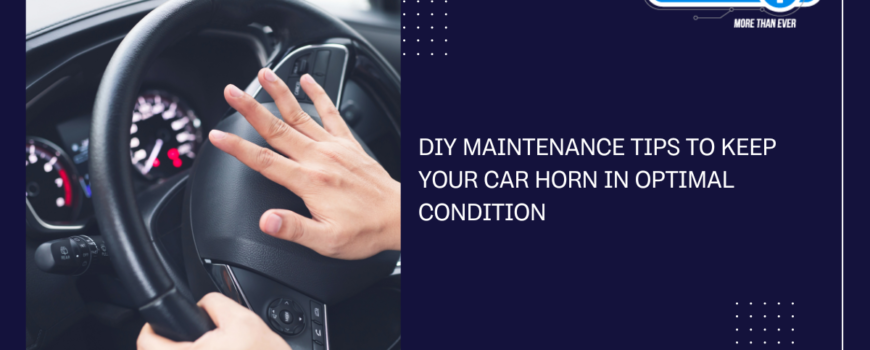
Keep your car running at its best with these maintenance tips. Regular attention to your car horn is just one part of ensuring your vehicle operates smoothly. Maintaining your car horn ensures your safety and alerts others on the road. Here’s how to keep it in optimal condition with simple DIY tips.

Why Maintaining Your Car Horn is Essential

Your car horn is a crucial safety feature. It helps you signal other drivers, pedestrians, and cyclists, preventing potential accidents. A well-maintained car horn ensures it functions correctly when you need it most. Neglecting it can lead to unexpected failures, which can be dangerous.

Inspecting Your Car Horn Regularly

Regular inspection ensures your car horn is always in top shape. Follow these steps to ensure it is in good condition:

·       Listen for Unusual Sounds: Press your car horn and listen for any changes in sound. A weak or unusual sound can indicate a problem.

·       Check the Horn Button: Ensure the horn button on your steering wheel works correctly. It may need cleaning or replacement if it feels stuck or doesn’t respond.

·       Examine the Horn Unit: Locate the horn unit under the hood and check for visible damage or corrosion. Clean it if necessary.

Cleaning Your Car Horn

Dirt and debris can affect the performance of your car horn. Here’s how to clean it:

·       Disconnect the Battery: Disconnect your car battery before cleaning to avoid any electrical issues.

·       Remove the Horn: Unscrew the horn unit from its mount.

·       Clean the Contacts: Use a wire brush to clean the electrical contacts. This removes any rust or dirt that might hinder the horn’s performance.

·       Reinstall the Horn: Once cleaned, reinstall the horn and reconnect the battery.

Troubleshooting Common Car Horn Problems

Sometimes, your car horn may still have issues despite regular cleaning. Here are some common problems and how to troubleshoot them:

·       Blown Fuse: If your horn doesn’t work at all, check the fuse. Replace it if necessary.

·       Wiring Issues: Inspect the wiring connected to the horn. Look for any frayed or disconnected wires and repair them.

·       Faulty Relay: The horn relay can fail over time. It might be the relay if you hear a clicking sound, but the horn doesn’t work. Replace it if needed.

·       Weak Sound: If the horn sounds weak, it could be due to low voltage. Check the battery and alternator to ensure they are providing enough power.

Adjusting the Car Horn

Sometimes, adjusting the car horn can improve its performance. Here’s how you can do it:

·       Locate the Adjustment Screw: Most horns have an adjustment screw. It’s usually found near the horn’s mounting bracket.

·       Turn the Screw: Use a screwdriver to turn the adjustment screw slightly. Test the horn after each adjustment until you get the desired sound.

·       Secure the Screw: Once adjusted, make sure the screw is tightly secured to prevent it from moving.

When to Replace Your Car Horn

Despite regular maintenance, there comes a time when you need to replace your car horn. If you’ve tried troubleshooting but the horn still doesn’t work correctly, it’s time for a replacement. Any visible damage to the horn unit, such as cracks or severe rust, warrants a replacement. Car horns can wear out over time. If your car horn is old and unreliable, investing in a new one ensures your safety.

How to Replace Your Car Horn

Replacing a car horn is a straightforward process. Here’s how you can do it yourself:

1.     Choose a New Horn: Select a horn compatible with your vehicle. Brands like Hella and Fiamm are known for their reliability.

2.     Disconnect the Battery: Always disconnect the battery before working on your car’s electrical system.

3.     Remove the Old Horn: Locate the horn unit and unscrew it from its mount. Disconnect the wiring.

4.     Install the New Horn: Connect the new horn to the wiring and secure it to the mount. Ensure it’s firmly in place.

5.     Reconnect the Battery: Once the new horn is installed, reconnect and test it to ensure it works.

To Sum Up

Choosing the right accessories for your car ensures a better driving experience. Go for car horns with features like easy installation and long-lasting performance, which are perfect additions to your vehicle. A well-maintained car horn is critical for your safety on the road. With these DIY maintenance tips, you can keep your car horn in optimal condition, ensuring it works perfectly when needed.
808

Categories: car accessories

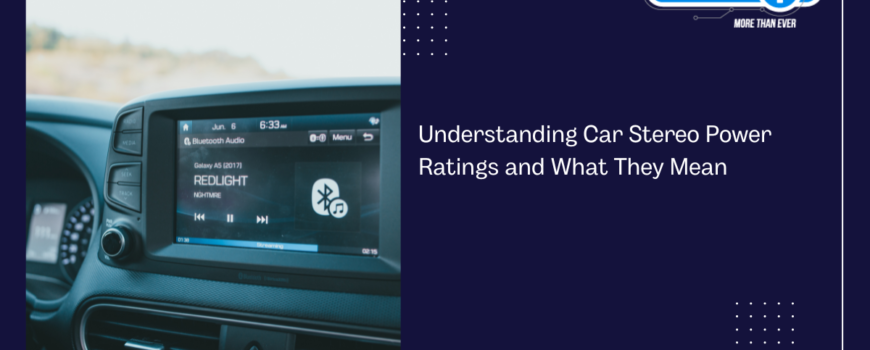
Understanding car stereo power ratings can initially seem complex, but grasping them will help you make better decisions about your audio system. The best sound quality and the operational efficiency of your system are entirely dependent on the vehicle’s stereo power ratings. This guide will help you make sense of car stereo power ratings and what they mean for your driving experience.

What Are Car Stereo Power Ratings?

Car stereo power ratings indicate how much power your car’s audio system can handle. These ratings are usually expressed in watts and help you understand how loud and clear your system can get. Power ratings are divided into two main types: RMS (Root Mean Square) and peak power.

RMS Power vs Peak Power

RMS Power is the average power a car stereo can deliver continuously without distortion. It’s a key metric because it reflects the stereo’s consistent performance over time. For example, if your car stereo has an RMS rating of 50 watts per channel, each speaker can continuously handle 50 watts of power.

Peak Power represents your car stereo’s maximum power in short bursts. While peak power can suggest the potential for high volume, it doesn’t provide a realistic measure of everyday performance. For instance, a stereo with a peak power rating of 200 watts per channel might only deliver 50 watts of RMS.

Why RMS Power Matters

RMS power is a more reliable indicator of your stereo’s true capability. Matching your car stereo with your speakers is crucial to avoid distortion and ensure a clear sound. When comparing car stereos, look at the RMS power ratings to get a true sense of their performance.

Matching Power Ratings

Matching your car stereo’s RMS power output with your speakers’ power handling is essential. Here’s how to do it:

·       Check Speaker Ratings: Your speakers will have a power handling rating, usually expressed in watts RMS. Ensure this rating matches or exceeds the RMS power output of your stereo to avoid damage and distortion.

·       Impedance Matters: Car speakers and stereos often have different impedance ratings, typically 2 or 4 ohms. Ensure the impedance rating of your speakers matches the specifications of your car stereo for optimal performance.

Power Handling and Impedance

·       Power Handling: This is the maximum power a speaker can handle without damage. For example, if your speakers are rated for 100 watts RMS, your stereo should provide similar RMS power for best results.

·       Impedance: The impedance rating affects how much power your stereo needs to drive your speakers. Most car stereos are rated for 4-ohm speakers. If you use 2-ohm speakers, your stereo will output more power, which can lead to overheating or distortion if not appropriately matched.

Head Units vs Amplifiers

·       Head Units: The head unit is the central component of your car stereo system, controlling audio sources and outputs. Head units typically have lower power ratings compared to amplifiers. If you need more power, consider adding an external amplifier.

·       Amplifiers: An amplifier boosts the signal from the head unit to drive your speakers more effectively. Ensure the amplifier’s RMS power ratings match your stereo and speakers for a balanced system.

Understanding Manufacturer Ratings

Manufacturers provide power ratings that can vary in how they’re measured. Look for honest and realistic ratings and check reviews to gauge real-world performance. Avoid relying solely on peak power ratings, as they can be misleading.

What is the Impact on Sound Quality?

The power ratings of your car stereo affect sound quality and volume. Higher RMS power generally means better sound quality with less distortion at higher volumes. However, speaker quality, tuning, and installation also play significant roles in overall sound performance.

Tips for Choosing the Right Car Stereo

·       Test Before Buying: If possible, listen to the car stereo in person before purchasing. This helps ensure the power ratings align with your expectations for sound quality.

·       Consult Experts: For personalized advice, consult car audio professionals who can recommend the best systems and configurations based on your needs and preferences.

·       Upgrade Considerations: When upgrading your car audio system, consider power ratings and how all components work together. Matching RMS power ratings, impedance, and quality components will give you the best audio experience.

To Sum Up

If you understand the power ratings on car stereos, you can enjoy high-quality audio in your car. To ensure that your stereo and speakers work well together, you should pay attention to RMS power, match power ratings, and consider impedance. Knowing these basics can help you make informed choices and experience superior sound quality when upgrading or installing new car audio systems.

5161

Categories: ⁠Ambient Lighting

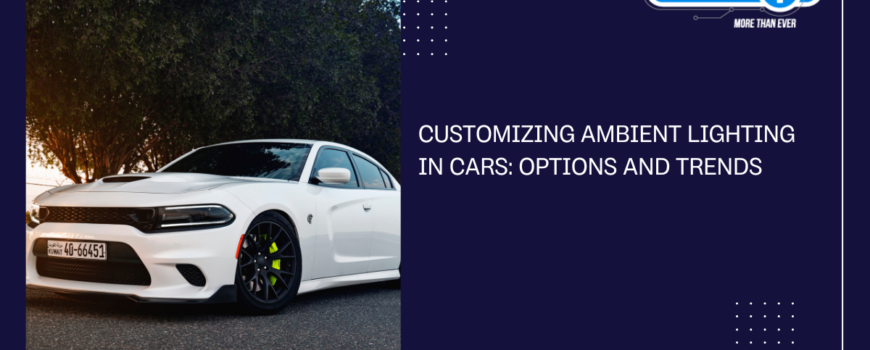
Ambient lighting in cars isn’t just about adding a touch of style; it’s also about enhancing the driving experience and functionality. Customizing ambient lighting can transform any space, adding both. Set the mood for different occasions or use it to highlight specific features or areas within your car. There are creative ways you can use ambient lighting. Here’s a guide to understanding and choosing ambient lighting for cars.

Transform Your Car with Ambient Lighting

Ambient lighting involves using subtle, often adjustable lights to create a specific atmosphere in a space. In cars, this means adding illumination to areas like the dashboard, footwells, and door panels to enhance visibility and set the mood. With advancements in technology, ambient lighting options for cars have become more versatile and customizable, allowing you to tailor the experience to your preferences.

Popular Options for Car Ambient Lighting

When considering ambient lighting for your vehicle, you have several options to choose from:

·       LED Strips: These are flexible and easy to install. LED strips can be placed along the dashboard, beneath the seats, or in the footwells. They offer a range of colours and brightness levels, allowing you to create the perfect ambiance.

·       Fiber Optic Lighting: Fiber optic systems provide a sleek and modern look. They are typically used to outline various interior features, such as the dashboard or door panels, giving a clean and elegant appearance.

·       Paddle Lights: These lights are designed to shine upward from the floor or side panels, creating a soft glow that enhances the car’s interior design.

·       Customizable LED Panels: Some advanced systems include panels that can change colours and patterns based on your preferences. These panels often sync with your car’s audio system, creating a dynamic visual experience.

Trends in Ambient Lighting

As technology advances, so do the trends in ambient lighting for cars. These are currently popular:

Colour-changing LEDs: Many drivers now prefer ambient lighting that can change colours. This feature allows you to adjust the lighting to match your mood or the driving conditions. For example, you might choose calming blue tones for a relaxing drive or vibrant red hues for a more energetic feel.

Sync with Music: Some ambient lighting systems sync with your car’s music. The lights flash or change colours in rhythm with the beats, creating a lively and engaging atmosphere.

App-Controlled Lighting: Modern systems often come with smartphone apps that let you control the lighting from your phone. You can adjust colours, and brightness, and even set up lighting schedules.

Mood Lighting: Customizable mood lighting options allow you to set specific scenes based on your needs. Whether driving at night, looking for a calming atmosphere, or needing a boost of energy, mood lighting can adjust to create the ideal environment.

How To Customise Ambient Lighting

Customizing your car’s ambient lighting involves several steps to ensure you get the look and functionality you want:

·       Determine Your Needs: Consider how you use your car and what you want from the lighting. If you frequently drive at night, you might prioritize adjustable brightness and calming colours. If you enjoy lively music, a system that syncs with your audio might be ideal.

·       Choose the Right Type: Select the type of ambient lighting that fits your style and requirements. LED strips are a popular choice due to their versatility and ease of installation. Fiber optics provide a more sophisticated look, while customizable panels offer advanced features.

·       Install Properly: Ensure the ambient lighting is installed correctly to avoid any issues. Many systems come with detailed installation guides, but if unsure, consider professional installation to achieve the best results.

·       Experiment with Placement: Try different lighting locations to find what works best. You might want to place them under the seats, along the dashboard’s edges, or inside the door panels. Test various placements to see what creates the most appealing effect.

·       Adjust Settings: Once installed, take the time to adjust the lighting settings. Play with colours, brightness levels, and patterns to find the perfect setup. If your system includes app control, explore all the features to maximize your lighting experience.

To Sum Up

Customizing ambient lighting in your car is an excellent way to personalize your driving experience and create a unique atmosphere. Explore the available options and trends, you and find the perfect setup to enhance comfort in your vehicle. Maintain ambient lighting regularly to keep it in good condition and allow you to drive in style.

632

Categories: car accessories

Traveling can only be comfortable with the proper support. Neck pillows can make trips more relaxing, help you sleep better, and prevent neck discomfort during lengthy journeys. Let’s look at how you can get the most out of neck pillows while traveling.

Why Neck Pillows Are Essential for Travellers

Neck pillows are designed to provide support and comfort during long flights, bus rides, or road trips. They help maintain proper posture, reducing the risk of neck pain and stiffness. Keeping your head aligned with your spine is crucial, preventing awkward positions. Made with memory foam or microbeads, they offer a cozy place to rest your head. The greatest advantage is that they are lightweight and easy to pack; they only take up a little space in your luggage.

Choosing the Right Neck Pillow

Selecting the perfect neck pillow can be daunting, with so many options available. Material is a crucial factor. Memory foam provides firm support, while microbeads offer a softer feel. Choose based on your comfort preference. The shape is yet another factor. Look for removable and washable covers to keep your pillow clean. Ensure it’s compact enough to fit in your carry-on but large enough to support your neck.

Types of Neck Pillows

Understanding the different types of neck pillows can help you choose the best one for your needs.

·       Memory Foam Neck Pillows: These are designed to conform to your neck’s shape, providing customized support and comfort. They are excellent for longer journeys.

·       Inflatable Neck Pillows: These are highly portable, as you can deflate them when not in use. They offer adjustable firmness but may not be as comfortable as foam pillows.

·       Microbead Neck Pillows: These pillows, filled with tiny beads, offer good support and are usually more breathable. They are a middle ground between memory foam and inflatable options.

·       Wrap-around Pillows: These provide 360-degree support, ideal for preventing your head from falling forward. They are bulkier but offer superior comfort.

Using Neck Pillows Effectively

Use neck pillows correctly to maximize their benefits. Place the pillow around your neck with the open end at the back. This keeps your head from tilting forward. Make sure the pillow supports your neck without pushing your head forward. Adjust it until you find the most comfortable position. If your seat reclines, use the neck pillow to support the back of your neck. If you’re in a window seat, turn the pillow to one side for better support while leaning against the window.

Using Neck Pillows for Different Modes of Travel

·       Air Travel: Use the pillow during takeoff and landing when your head tends to bob forward.

·       Car Rides: Support your neck during long drives to prevent strain.

·       Bus or Train Rides: Use the pillow to cushion your neck during naps.

Additional Tips for Comfortable Travel

Besides using a neck pillow, consider these tips for an even more comfortable travel experience:

·       Stay Hydrated: Drink plenty of water to stay hydrated, which helps reduce fatigue.

·       Move Around: Stretch during long journeys to prevent stiffness.

·       Comfortable Clothing: Wear loose, comfortable clothing to help you relax.

·       Earplugs and Eye Masks: Block noise and light for better rest.

To Sum Up

Traveling can be tiring, but neck pillows make it much more bearable. You can enjoy a more comfortable and restful journey by choosing the right pillow and using it effectively. Travel more and travel confidently with innovative neck pillows and other travel accessories, ensuring you have the best possible experience on the road or in the air.

393