Category: car accessories

Categories: car accessories

Sun Control Film for cars is a valuable solution for maintaining driving comfort. It offers protection from the sun’s rays and provides numerous benefits. This simple yet effective solution enhances your driving experience and offers various benefits for you and your passengers. Let’s look into how Sun Control Film can transform your time on the road.

What is Sun Control Film

Sun Film, also known as window tinting or solar film, is a thin, transparent layer of film applied to car windows to reduce heat, glare, and UV radiation from the sun. Made from high-quality materials, Sun Control Film filters natural light through while blocking harmful rays, creating a more comfortable and enjoyable driving environment.

Benefits of Sun Control

Installing Sun Control Film in your car provides numerous advantages:

Heat Reduction: Say goodbye to sweltering car interiors. Sun Control Film helps to minimize heat buildup inside your vehicle, keeping you and your passengers cool and comfortable, especially during the hot summer months. This means less reliance on air conditioning, leading to better fuel efficiency.

Glare Reduction: Drive safely without distractions. Sun Control Film reduces glare from the sun and oncoming headlights, enhancing visibility and reducing eye strain for a safer driving experience. This improvement in visibility can significantly decrease the chances of accidents, especially during early mornings or late evenings.

UV Protection: Protect your skin and upholstery from sun damage. Sun Control Film blocks up to 99% of harmful UV rays, reducing the risk of sunburn and preventing fading and deterioration of your car’s interior. This prolongs the life of your vehicle’s interior materials, keeping it looking new for longer.

Privacy Enhancement: Enjoy added privacy and security on the road. Sun Control Film reduces visibility into your vehicle, providing peace of mind and deterring potential theft or break-ins. This added layer of privacy also makes it more comfortable to store valuables in your car without worry.

Energy Efficiency: Reduce your carbon footprint while saving money on fuel. By minimizing the need for air conditioning, Sun Control Film helps improve fuel efficiency and reduce emissions, making it an eco-friendly choice for environmentally conscious drivers. This benefits the environment and leads to long-term savings on energy costs.

Choosing the Right Sun Control Film

Choosing the suitable Sun Control Film for your car involves considering factors like heat reduction, UV protection, and privacy enhancement to meet your specific needs. Researching different types and brands is essential to find the most effective and durable option that suits your vehicle and driving habits. These factors should be considered:

Tint Level: Choose a tint level that meets your preferences and local regulations. Opt for a lighter tint for maximum visibility at night and a darker tint for enhanced privacy and heat rejection.

Quality: Invest in high-quality Sun Control Film that is scratch-resistant, fade-resistant, and long-lasting to ensure optimal performance and durability.

Professional Installation: While some DIY options are available, professional installation guarantees a seamless and professional finish, ensuring maximum effectiveness and compliance with local laws.

Durability and Warranty: Opt for a high-quality film with durability and a good warranty. This ensures long-lasting performance and protection for your investment.

Final Words

Transform your driving experience with Sun Control Film for your car windows. Enjoy a cooler, more comfortable ride while protecting yourself and your vehicle from the sun’s harmful effects. Invest in Sun Control Film today and experience the difference it can make on your journeys. Drive safer, more relaxed, and more stylish with Sun Control Film for your car.

252

Categories: car accessories

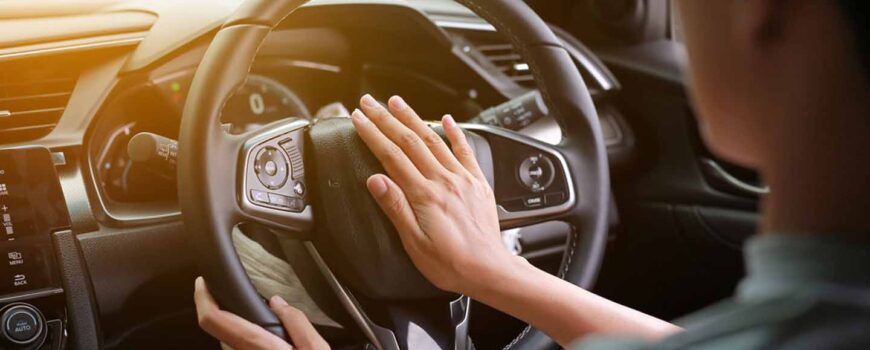
Did you know that exposure to excessive noise pollution can harm one’s physical and mental well-being? The growing number of cars on the road has made unwanted noise, such as loud car horns blowing, a significant problem in today’s society. This ongoing issue disturbs the calmness of neighbourhoods and makes people more stressed, anxious, and irritable. According to studies, long-term exposure to noise pollution has been linked to some health concerns, including heart difficulties and hearing loss.

Understanding the Impact of Car Horn Noise Pollution

Car horns are essential safety tools that alert drivers and pedestrians to potential dangers. However, excessive and unnecessary use of car horns contributes significantly to noise pollution. This constant noise can increase stress, hearing loss, and even cardiovascular issues over time. Reducing unnecessary honking is crucial for creating healthier urban environments.

1.     Educating Drivers on Proper Car Horn Usage

One of the most effective ways to reduce unnecessary honking is through driver education. Many drivers use the car horn out of habit or frustration rather than necessity. Educating drivers on when and how to use their car horns can make a big difference.

·       Use Only for Safety: Remind drivers that the primary purpose of a car horn is to prevent accidents, not to express anger or impatience.

·       Local Laws and Regulations: Highlight any local laws regarding horn usage. Many places have regulations that limit when and where horns can be used.

·       Promote Courtesy: Encourage a culture of road courtesy where drivers are more patient and considerate of others.

 2.     Implementing No-Honking Zones

Designating no-honking zones can significantly reduce noise pollution, especially in residential areas, around schools, hospitals, and parks.

Steps to Implement No-Honking Zones:

·       Install clear signage to mark these zones.

·       Engage local communities to respect and support the zones.

·       Collaborate with authorities for enforcement.

 3.     Improving Traffic Flow

Better traffic management can reduce congestion and the frustration that leads to honking. Implement intelligent traffic lights that adjust to real-time conditions and redesign roads to eliminate bottlenecks. Encouraging public transportation use can also reduce the number of cars on the road.

Technological Solutions for Quieter Roads

Technology can significantly reduce car horn noise. Modern advancements in-car multimedia systems and vehicle features can help create quieter roads.

  1. Encouraging Non-Horn Communication

Encouraging drivers to use non-horn methods of communication can also help reduce noise pollution.

·       Turn Signals: Proper use of turn signals can often prevent the need for honking.

·       Hand Signals: In some situations, hand signals can effectively communicate with other drivers and pedestrians.

·       Lights: Flashing headlights can be a polite way to signal other drivers without the noise.

  1. Car Horn Alternatives

Developing quieter, more efficient car horn systems can help. Noise-canceling technology inside and outside vehicles can also reduce overall noise levels. Promoting car horns that emit a softer sound can make a big difference.

  1. Alternative Communication Methods

While the car horn is helpful in certain situations, it shouldn’t be used out of impatience. Drivers can communicate more quietly using hand signals, turn signals, or flashing headlights.

  1. Raising Public Awareness

Community programs and awareness campaigns can play a significant role in reducing unnecessary honking. Workshops, social media campaigns, and school programs can educate drivers about the impacts of noise pollution and encourage responsible driving habits.

Public Awareness Initiatives:

·       Host educational workshops and seminars.

·       Launch social media campaigns to spread awareness.

·       Implement school programs to teach young drivers.

  1. Personal Responsibility and Mindfulness

Reducing car horn noise starts with individual drivers taking responsibility for their actions. Encourage mindful driving, stress management techniques, and setting an example for others by using the car horn responsibly.

Final Words

Creating quieter roads in India is a collective effort. By educating drivers, implementing no-honking zones, improving traffic flow, and embracing technological solutions, we can significantly reduce unnecessary honking and noise pollution. Whether through better driving habits, community involvement, or advanced technology, we all have a role to play in making our roads quieter.

591

Categories: car accessories

Comfort becomes a top priority when you’re on the road for hours. That’s where neck pillows come in. Designed to provide support and comfort during long car rides, they are a travel essential. But with so many options, choosing the best neck pillow can take time and effort. Two popular types are memory foam and microbeads. Each has its own set of advantages and drawbacks. Which one is right for your next car trip? Let’s look into the details and help you make an informed decision.

Why Neck Pillows Matter for Car Travel

Comfort during travel isn’t just a luxury; it’s a necessity. Long car rides can strain your neck and shoulders, leading to discomfort or even pain. A good neck pillow can prevent these issues by providing the proper support, ensuring you feel refreshed at your destination. Let’s explore the key differences between memory foam and microbead neck pillows.

Choosing the Right Travel Pillow

When selecting a travel pillow, consider the following factors:

·       Material: Choose a material that feels comfortable against your skin and suits your preferences. Memory foam and microbeads are popular options.

·       Support: Look for a pillow that offers adequate support for your neck and head. The level of firmness should be just right – not too hard, but not too soft.

·       Portability: Consider the size and weight of the pillow. It should be easy to carry and fit into your luggage or attach to your bag.

·       Adjustability: Some travel pillows have adjustable features, such as straps or inflatable components, to provide a customizable fit.

·       Maintenance: Opt for a pillow with a removable and washable cover for easy cleaning.

Memory Foam Neck Pillows

Memory foam neck pillows are a popular choice for many travellers. They are made from viscoelastic polyurethane, a material known for its ability to conform to the shape of your neck and head.

Benefits of Memory Foam Neck Pillow

·       Memory foam molds to your body, providing a personalized fit that supports your neck and reduces pressure points.

·       These pillows are known for their longevity. They maintain their shape over time, offering consistent support.

·       Memory foam provides firm support, benefiting those with neck pain or stiffness.

Drawbacks of Memory Foam Neck Pillow

·       Memory foam tends to retain heat, which might be uncomfortable in warmer climates.

·       These pillows are generally heavier than microbead ones, which might be a consideration for those who prioritize lightweight travel gear.

Microbead Neck Pillows

Microbead neck pillows are filled with tiny polystyrene beads. They offer a different kind of comfort and support compared to memory foam.

Benefits of Microbead Neck Pillows

·       Microbeads allow air to circulate, which helps keep you cool during long car rides.

·       These pillows are much lighter than their memory foam counterparts, making them easier to carry.

·       The microbeads can shift and move, allowing you to adjust the pillow for maximum comfort.

Drawbacks of Microbead Neck Pillows

·       Microbead pillows can lose shape as the beads shift and compress.

·       The beads can sometimes rustle when you move, which might be distracting for light sleepers.

Which Neck Pillow is Best for You?

Consider your travel requirements and preferences while deciding between memory foam and microbead neck pillows. A memory foam neck pillow can be the finest option if you require substantial support and relief from neck aches. A microbead neck pillow is a good choice for those who prefer something lighter and more flexible. Memory foam is comfortable in air-conditioned or more fabulous settings. A microbead neck pillow can help you stay relaxed and comfortable in warmer climates. Memory foam pillows are generally more vital and hold their shape better. As the beads compress, microbead pillows may need to be changed more frequently.

Final Words

A travel pillow is a small investment that can make a big difference in your travel experience. Providing comfort, support, and better sleep quality helps you arrive at your destination feeling rested and ready to enjoy your trip. Make your next journey more comfortable and stress-free with the right travel pillow. Happy travels!

1282

Categories: car accessories

Maintaining and caring for your car’s upholstery is crucial for longevity and style. Well-maintained interiors can make your vehicle more enjoyable to drive and can also increase its resale value. Here’s how you can keep your car’s upholstery in top condition and why considering car upholstery upgrades might be the best decision for your vehicle.

The Importance of Regular Cleaning

Keeping your car’s upholstery clean is the foundation of its maintenance. Dirt, spills, and daily wear can degrade the fabric or leather over time.

Routine Vacuuming

Vacuuming your car seats regularly removes loose dirt and crumbs that can cause stains and wear. Use a vacuum with a soft brush attachment to avoid damaging the material.

Spot Cleaning

For minor spills, act quickly. Blot the area with a clean cloth and use a suitable upholstery cleaner. Avoid rubbing, as it can push the stain deeper into the fabric.

Deep Cleaning

Periodically, give your car’s upholstery a deep clean. Use a steam cleaner for fabric seats or a specialized leather cleaner for leather upholstery. This helps in removing deep-seated dirt and rejuvenates the material.

Protecting Your Car’s Upholstery

Protection is as important as cleaning when maintaining your car’s interior.

Seat Covers

Investing in quality seat covers as part of your car upholstery upgrade can protect your original upholstery from wear and tear. They are handy if you have kids or pets.

Sunshades

UV rays can fade and crack your car’s interior. Using sunshades helps protect your upholstery from direct sunlight, maintaining its color and texture.

Conditioning Leather Seats

Leather seats need regular conditioning to prevent them from drying out and cracking. Use a high-quality leather conditioner as part of your car upholstery upgrade every few months to keep the leather supple.

Addressing Stains and Damage

Despite your best efforts, accidents happen. Knowing how to deal with stains and minor damages can save you from costly repairs.

Dealing with Stains

Use appropriate stain removers for specific stains like ink, coffee, or grease. Always test the cleaner on a small, inconspicuous area first to ensure it doesn’t damage the material.

Repairing Minor Damage

Small tears or burns can be repaired using upholstery repair kits. However, for more extensive damages, it might be worth consulting a professional.

Considering Car Upholstery Upgrades

Maintaining the original upholstery is sometimes not enough, especially if it’s significantly worn out. Car upholstery upgrades can breathe new life into your vehicle’s interior.

Why Upgrade Your Upholstery?

Enhanced Comfort

New upholstery can provide better comfort, especially if the original seats have lost their cushioning.

Improved Aesthetics

Upgrading your car’s upholstery can significantly improve its appearance. You can choose materials and colors that match your style and preferences.

Increased Resale Value

A car with well-maintained or upgraded upholstery will likely have a higher resale value. It gives the impression of a well-cared-for vehicle.

Popular Car Upholstery Upgrades

Leather Seats

Leather is a popular choice for its durability and luxurious feel. It’s easy to clean and adds a premium look to your car’s interior.

Heated and Ventilated Seats

Modern car upholstery upgrades include features like heating and ventilation. These add-ons can make your driving experience much more comfortable, especially in extreme weather conditions.

Custom Stitching

Custom stitching can add a unique touch to your car’s interior. You can choose colors and patterns that reflect your personality.

DIY vs. Professional Upholstery Services

While minor maintenance tasks can be done at home, some jobs are best left to professionals.

 DIY Maintenance

With the right tools and products, tasks like vacuuming, spot cleaning, and applying conditioner can be easily done at home.

Professional Services

For deep cleaning, repairing significant damages, or upgrading your upholstery, it’s advisable to seek professional services. Professionals have the expertise and equipment to ensure the job is done right.

Tips for Long-Term Care

Maintaining your car’s upholstery is an ongoing process. Here are some tips for long-term care:

Avoid Eating in the Car

This simple habit can prevent many stains and spills. If you must eat in the car, be extra cautious and clean up immediately.

Use Floor Mats

Floor mats protect your car’s carpet from dirt and spills. They are easy to clean and replace, ensuring the carpet remains in good condition.

Regular Inspections

Regularly inspect your car’s upholstery for signs of wear or damage. Addressing issues early can prevent them from worsening.

Final Words

Maintaining and caring for your car’s upholstery is essential for preserving its interior and enhancing its overall appeal. Regular cleaning, protecting the seats, promptly addressing stains, and considering car upholstery upgrades are crucial to longevity and style. DIY maintenance or professional services, your efforts will be rewarded with a comfortable and stylish car interior that stands the test of time. Investing in your car’s upholstery improves your driving experience and adds value to your vehicle. Start implementing these tips today and enjoy a pristine, elegant car interior for years.

261