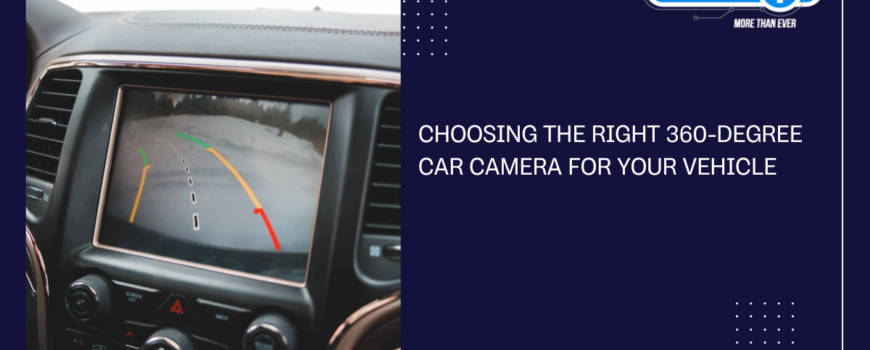
Category: car accessories

Categories: car accessories

The car horn is integral to driving in a country like India. It’s a language of its own, used extensively in various situations. However, this frequent use sometimes leads to excessive noise and misunderstandings. Understanding the proper use of car horns can help create a more pleasant driving experience for everyone. Car horn etiquette is more than just pressing a button; it’s about knowing when and how to use it politely. You need to ensure you are a responsible driver, and therefore, you must understand the essentials of car horn usage.

What is the Real Purpose of Your Car Horn

Your car horn is a crucial tool for communication on the road. It’s designed to alert other drivers, pedestrians, and cyclists of your presence or intentions. However, it’s essential to use it appropriately to avoid confusion or annoyance. Misusing your car horn can lead to unnecessary stress and even road rage.

 When To Use Your Car Horn

1.       Alerting Other Drivers of Danger

Use your car horn to alert other drivers of potential danger. For instance, a quick honk can prevent an accident if a car is veering into your lane.

2.       Signaling Your Presence at Intersections

If you’re approaching an intersection and notice a car that might not see you, a gentle tap on the horn can alert the driver to your presence.

3.       Warning Pedestrians

Use your car horn to warn pedestrians who might be stepping into the street without looking. This helps ensure their safety and prevents accidents.

How To Use Your Car Horn Politely

1.       Short, Light Honks

A short, light honk is usually sufficient to get someone’s attention. Avoid long, blaring honks that can startle or annoy others. A series of short honks is more effective and polite than a long blast. It communicates your message without causing excessive noise.

2.       Avoid Using the Horn in Traffic Jams

Using your car horn in traffic jams does not help and only adds to the noise pollution. Instead, be patient and wait for the traffic to clear.

3.       Be Considerate of Time and Place

Avoid using your horn in residential areas late at night or early in the morning. Be mindful of places where excessive noise can be a disturbance, such as near hospitals or schools.

4.       Using Light and Indicators

Combine the use of your car horn with headlights and indicators. Flashing your headlights can reinforce your horn’s signal, especially at night or in low-visibility conditions.

5.       Respecting Silent Zones

Be mindful of silent zones such as hospital areas, schools, and residential neighborhoods. These areas often have signs requesting minimal horn use to reduce noise pollution.

Car Horn Etiquette in Different Situations

1.       At Traffic Lights

If the light turns green and the car in front of you doesn’t move, gently tap the horn after a reasonable pause. This is a polite way to alert the driver without being aggressive.

2.       Merging Lanes

A quick honk can signal your presence to the other driver when merging lanes, ensuring a smooth and safe transition.

3.       Blind Spots

Use your car horn to alert drivers in your blind spot when changing lanes. This helps prevent collisions and keeps everyone safe.

Misuses of The Car Horn

1.     Expressing Frustration

Never use your car horn to express anger or frustration. It doesn’t solve the problem and only escalates tension on the road.

2. Greeting Friends

Avoid using your car horn to greet friends or acquaintances. Using other means, like waving or calling them later, is best.

3.   Encouraging Speed

Refrain from honking at drivers to make them speed up. Everyone has their own pace, and pressuring them can lead to dangerous situations.

The Impact of Overusing Car Horns

1.       Noise Pollution

Excessive honking contributes significantly to noise pollution in cities. This not only affects the quality of life but also leads to health issues like stress and hearing problems.

2.       Reduced Effectiveness

When car horns are used too frequently, they lose their effectiveness. Drivers and pedestrians may start to ignore them, leading to dangerous situations.

3.       Driver Stress

Constant honking can increase stress levels for the honker and those around them. It creates an aggressive driving environment, leading to road rage and accidents.

To Sum Up

Using your car horn politely is essential for creating a safer and more pleasant driving environment. In India, where car horns are used excessively, following proper car horn etiquette can significantly reduce noise pollution and improve road safety.

There are ways to encourage polite and considerate use of car horns through public awareness campaigns and driver training programs. By incorporating advanced car horn solutions, drivers can ensure effective communication on the road while maintaining a courteous and respectful driving style. Drive safely and horn responsibly!

620

Categories: car accessories

Traveling with young children requires careful planning. There is a lot to prepare, and proper car accessories may help assure safety, comfort, and entertainment.  These are some additional tips and accessories to make your journeys smooth and enjoyable:

Safety First: Must-Have Car Accessories

1.       Car Seats and Booster Seats

Car seats are the first line of defense in ensuring your child’s safety. Choose one that fits your child’s age, weight, and height. Car accessories like convertible car seats can be adjusted as your child grows, providing extended use.

2.       Backseat Organizer

It is crucial to keep the backseat clutter-free. A backseat organizer helps store toys, books, snacks, and other essentials, making them easily accessible. This car accessory keeps the car tidy and entertains your child with organized activities.

3.       Window Shades

Protecting your child from the sun’s harsh rays is essential. Car accessories like window shades prevent sunburn and keep the car cooler. Choose shades that are easy to install and provide adequate coverage without obstructing your view.

4.       Travel Tray

A travel tray provides a flat surface for your child to play, eat, or draw. These car accessories are handy during long trips. Look for one with sturdy sides to prevent items from falling off.

5.       Rear-Seat Mirror

A rear-seat mirror allows you to keep an eye on your child without turning around. It attaches to the backseat headrest and provides a clear view of your baby, ensuring their safety and your peace of mind.

Entertainment:  Car Accessories for Keeping Kids Engaged

1.       Tablet or DVD Player Mount

Keeping children entertained is critical to a smooth ride. A tablet or DVD player mount secures the device to the back of the front seat, allowing kids to watch their favourite shows hands-free. This setup reduces the chances of dropping or damaging the device.

2.       Portable Game Console

Portable game consoles are perfect for keeping older children entertained. Make sure to have a car charger to keep the console powered throughout the journey.

3.       Car Audio System

An advanced car audio system can significantly impact your travel experience. Circuit-i offers car multimedia systems that provide entertainment and informative features, ensuring your kids are engaged throughout the trip.

Comfort: Car Accessories for a Peaceful Drive

1.       Travel Pillows and Blankets

Keeping your child comfortable is essential for a pleasant trip. Travel pillows support their necks during naps, and blankets keep them cozy. Look for hypoallergenic materials to avoid allergies.

2.       Seat Belt Pillow

Seat belt pillows provide extra cushioning for your child’s head and neck. These are especially useful during long drives, ensuring your child remains comfortable and can rest easily.

3.       Kick Mats

Kick mats protect the back of your seats from muddy shoes and accidental kicks. They’re easy to clean and help maintain the car’s interior. Some models even come with pockets for extra storage.

Advanced Car Accessories for Enhanced Driving Experiences

1.        360-Degree Car Cameras

Safety is paramount when driving with children. Installing 360-degree car cameras enhances your vehicle’s safety by providing a comprehensive view of your surroundings. This technology aids parking and maneuvering in tight spaces, reducing the risk of accidents.

2.       GPS Navigation System

A reliable GPS navigation system ensures you stay on the right track and avoid getting lost. Go for brands that offer state-of-the-art navigation systems with real-time traffic updates, making your journeys smoother and more efficient.

3.       Car Air Purifier

Keeping the air inside your car clean is vital, especially for children with allergies or asthma. A car air purifier removes pollutants and allergens, ensuring a healthier environment for your family.

Staying Organised on the Go

4.       Trunk Organizer

A trunk organizer helps keep your car’s cargo area neat. It provides compartments for groceries, sports equipment, and emergency supplies. This car accessory prevents items from rolling around and causing distractions.

5.       Portable Cooler

A portable cooler keeps snacks and drinks fresh and cool. It’s ideal for long trips, picnics, and family outings. For added convenience, look for models that can be powered by your car’s cigarette lighter.

6.       Emergency Roadside Kit

An emergency roadside kit is a must-have for any family car. It includes essentials like a tire repair kit, jumper cables, a flashlight, and reflective triangles. Being prepared can make all the difference in a roadside emergency.

7.       Car Trash Can

A car trash can helps keep the vehicle clean and organized. Choose one that is leak-proof and easy to empty. This car accessory is essential for managing waste on the go.

8.       First-Aid Kit

A well-stocked first aid kit is crucial for handling minor injuries and emergencies. Ensure it contains band-aids, antiseptic wipes, pain relievers, and your child’s medications.

To Sum Up

Investing in the right car accessories ensures your family a safer, more enjoyable experience. Equip your vehicle with these essentials, and you’ll be ready for any adventure with your little ones.

303

Categories: car accessories

Are you looking to upgrade your car’s entertainment and navigation system? Infotainment Android Systems have revolutionized how we interact with our vehicles, offering a blend of entertainment, navigation, and connectivity. With various options available, selecting the right system can be challenging. Here’s a guide to help you choose the best Infotainment Android System for your vehicle.

What Are Infotainment Android Systems?

Infotainment Android Systems combine information and entertainment, integrating navigation, media playback, and communication functions. These systems run on the Android operating system, offering a familiar interface with access to countless apps. From streaming music to using Google Maps, these systems enhance the driving experience.

What can Car Infotainment Android Systems do?

Car infotainment Android systems have revolutionized the driving experience by integrating various features into a single, user-friendly interface. Here’s a breakdown of what modern car infotainment Android systems can do:

Navigation

GPS Navigation: Provides real-time navigation with turn-by-turn directions, traffic updates, and alternative routes to avoid congestion.

Offline Maps: Many systems offer offline maps, ensuring you don’t get lost even in areas with poor internet connectivity.

Entertainment

Music Playback: Supports multiple audio formats and streaming services like Spotify, Pandora, and Apple Music.

Video Playback: Some systems can play videos from various sources, including USB drives and streaming apps, though this feature is typically limited to when the car is stationary.

Radio: Access to AM/FM radio, internet radio, and satellite radio services like SiriusXM.

Connectivity

Bluetooth: Enables hands-free calling, wireless music streaming, and syncing contacts and messages.

Wi-Fi Hotspot: Some systems can act as a Wi-Fi hotspot, providing internet access to other devices in the car.

Smartphone Integration: Supports Android Auto and Apple CarPlay, allowing you to mirror your smartphone’s interface on the infotainment Android system screen.

Communication

Hands-Free Calling: Make and receive calls without taking your hands off the wheel.

Text-to-Speech: Read out text messages and emails and respond using voice commands.

Control and Convenience

Voice Commands: Use voice recognition to control various functions like navigation, calling, and media playback.

Touchscreen Controls: Intuitive touchscreens for easy access to apps and settings.

Steering Wheel Controls: Integration with steering wheel buttons for safer, hands-free operation.

Vehicle Information

Diagnostic Information: Display real-time data from your car’s onboard diagnostic system, such as engine status, tire pressure, and fuel economy.

Rear-View Camera: Integration with backup cameras to assist with parking and reversing.

Climate Control: Some systems can control the car’s climate settings, offering a centralized interface for all vehicle controls.

Internet and Apps

App Integration: Download and use various apps from the Google Play Store for music, navigation, weather, news, and more.

Social media: Access social media platforms to stay connected, though for safety reasons, this is often restricted to when the car is not in motion.

Web Browsing: Surf the internet using the car’s infotainment Android system screen.

Customization

User Profiles: You can set up multiple user profiles, each with personalized settings for navigation routes, preferred music, and more.

Theming and Layouts: Customize the look and feel of the interface with different themes and layouts.

Security and Updates

Software Updates: Receive over-the-air updates to keep the system current with the latest features and security patches.

Security Features: Some systems offer features like remote lock/unlock, finding my car, and even immobilization in case of theft.

Enhanced Driving Assistance

Driver Assistance Systems: Integration with advanced driver assistance systems (ADAS) like lane-keeping assist, adaptive cruise control, and collision warning systems.

Parking Assistance: Use sensors and cameras to aid in parking, displaying a visual guide on the infotainment screen.

Integrated Cameras

Dash Cameras: Record your drives for security and insurance purposes.

360-Degree Cameras: Provide a bird’s-eye view of your vehicle for easier maneuvering in tight spaces.

Data and Analytics

Driving Analytics: Track your driving habits, fuel consumption, and other metrics to improve efficiency.

Trip Logs: Maintain logs of your trips, which are helpful for business travel and mileage tracking.

Key Features to Consider for Infotainment Systems

When choosing an Infotainment Android System, several features should be evaluated:

Display Quality

A high-resolution screen is crucial for clear visuals. Look for systems with HD or better resolutions. Touchscreen responsiveness is also essential for easy operation while driving. A larger screen size can also enhance usability and visibility, making it easier to interact with apps and controls.

Connectivity Options

Ensure the system supports Bluetooth, Wi-Fi, and USB connections. These allow for seamless integration with smartphones and other devices, enabling hands-free calling and media streaming. Additionally, consider systems that offer NFC (Near Field Communication) for quicker pairing with compatible devices.

Navigation Capabilities

Built-in GPS is a must-have. Systems using Google Maps or similar services provide reliable navigation. Offline maps can be beneficial in areas with poor signal. Some advanced systems also offer real-time traffic updates and alternative route suggestions, which can save you time and reduce stress during your commute.

App Compatibility

The ability to download and use a variety of apps enhances the system’s utility. Check if the system supports popular apps like Spotify, WhatsApp, and YouTube. Compatibility with a wide range of apps ensures you can access entertainment, communication, and productivity tools easily while on the go.

Audio Quality

High-quality audio output is essential for a superior listening experience. Look for systems with advanced sound processing features and multiple audio outputs. Systems with built-in equalizers and support for high-definition audio formats can provide a richer and more immersive audio experience.

Factors to Consider When Choosing Infotainment Android Systems

When selecting the best Infotainment Android System for your vehicle, there are several important factors to consider.

Ease of Installation

Some systems are easier to install than others. Consider whether you’ll install it yourself or hire a professional. Check compatibility with your car’s make and model. 

User Interface

A user-friendly interface is crucial for safety and convenience. Ensure the system is easy to navigate and operate while driving. Voice command functionality can further enhance usability, allowing you to control the system without taking your hands off the wheel.

Updates and Support

Performance is critical to a smooth and responsive experience. Check for systems with powerful processors and ample RAM to handle multitasking and demanding applications. Fast boot times and quick response to inputs are also crucial for reducing wait times and ensuring seamless operation.

android system

Integration with Vehicle Controls

Compatibility with your vehicle’s existing controls can provide a more integrated experience. Ensure the system can connect to your car’s steering wheel controls, climate control, and other built-in features. This integration can enhance convenience and safety by allowing you to control multiple aspects of your vehicle from a single interface.

Security Features

Consider systems that offer robust security features to protect your data and privacy. Look for options that include password protection, encryption, and the ability to lock or wipe data remotely if the system is stolen. Regular software updates are also crucial for maintaining security and performance over time.

Price and Value

Infotainment Android systems come in various price ranges. Consider your budget and the features you need. Spending a bit more can get you a system with better features and longevity.

Customer Reviews

Read reviews from other users to get a sense of the system’s performance and reliability. Reviews can provide insights into potential issues and overall satisfaction.

Final Words

In summary, car infotainment android systems are powerful tools that enhance safety, convenience, and entertainment while driving. By integrating multiple functionalities into one system, they streamline the driving experience, making it more enjoyable and efficient.

786

Categories: car accessories

Traveling is much more enjoyable when you have the best audio system in your car and enjoy excellent music quality on your frequent trips. The only thing left to do is choose the ideal car speakers for your automobile. The correct speakers make all the difference whether you’re a music enthusiast or want to travel with rich, clear sound. Let’s examine the most crucial elements when choosing automobile speakers that meet your requirements and tastes.

Understanding Your Audio Needs

Before diving into the world of car speakers, it’s crucial to understand your audio requirements. Consider factors such as:

·       Sound Quality: Determine whether you prioritize bass, clarity, or overall balance in sound.

·       Music Preferences: Consider the genres of music you listen to most frequently and how they influence your speaker selection.

·       Budget: Establish a budget for your speaker upgrade to guide your choices and ensure affordability.

Types of Car Speakers

Car speakers come in various types, each offering unique benefits and sound characteristics. Here are the primary types to consider:

Component Speakers: Known for their superior sound quality, component speakers consist of separate tweeters, woofers, and crossovers for precise audio customization. You can fine-tune each aspect of your audio setup with individual components to achieve the perfect balance and clarity. Additionally, audiophiles favor component speakers for their ability to reproduce high-fidelity sound with exceptional detail and accuracy.

Coaxial Speakers: These speakers combine multiple speaker elements into a single unit for more straightforward installation and balanced sound reproduction. With coaxial speakers, you can enjoy a hassle-free upgrade that delivers clear and cohesive audio throughout your car. Their integrated design ensures seamless integration into your vehicle’s existing speaker mounts, making them an excellent choice for those seeking a straightforward audio enhancement.

Subwoofers: Explicitly designed for low-frequency sounds, subwoofers enhance bass and add depth to your audio experience. Whether you enjoy thumping beats or immersive cinematic soundtracks, subwoofers bring your music to life with powerful, room-filling bass. Subwoofers complement your existing speakers and deliver a more dynamic and immersive listening experience by focusing on the lower end of the audio spectrum.

Considerations for Installation

When selecting car speakers, it’s essential to consider compatibility and installation requirements:

Speaker Size: Determine the appropriate size for your car’s speaker mounts and available space.

Power Handling: Match the speakers’ power handling capabilities with your car stereo’s power output to avoid distortion and damage.

Mounting Depth: Ensure the speakers fit within your car’s enclosures without interfering with other components.

Evaluating Sound Quality

Sound quality is paramount when choosing car speakers. Here’s what to look for:

Frequency Response: Seek speakers with a wide frequency response range for accurate sound reproduction across all frequencies.

Sensitivity Rating: Higher sensitivity ratings indicate that speakers can produce louder sounds with less power, ideal for efficient performance.

Material Construction: Pay attention to the materials used in speaker construction, such as tweeter materials and woofer cones, as they impact sound quality and durability.

Brand Reputation and Reviews

Before making a final decision, research reputable car speaker brands and read customer reviews. A brand with a strong reputation for quality and reliability is likelier to deliver a satisfying audio experience. Additionally, customer reviews provide valuable insights into real-world performance and user satisfaction, helping you make an informed choice that aligns with your preferences and expectations.

Final Words

Choosing the perfect car speakers is a journey of exploration and discovery, but with the proper guidance, you can find the ideal match for your vehicle and audio preferences. So why settle for mediocre sound when you can have greatness? Upgrade your car speakers today and let the music play.

344